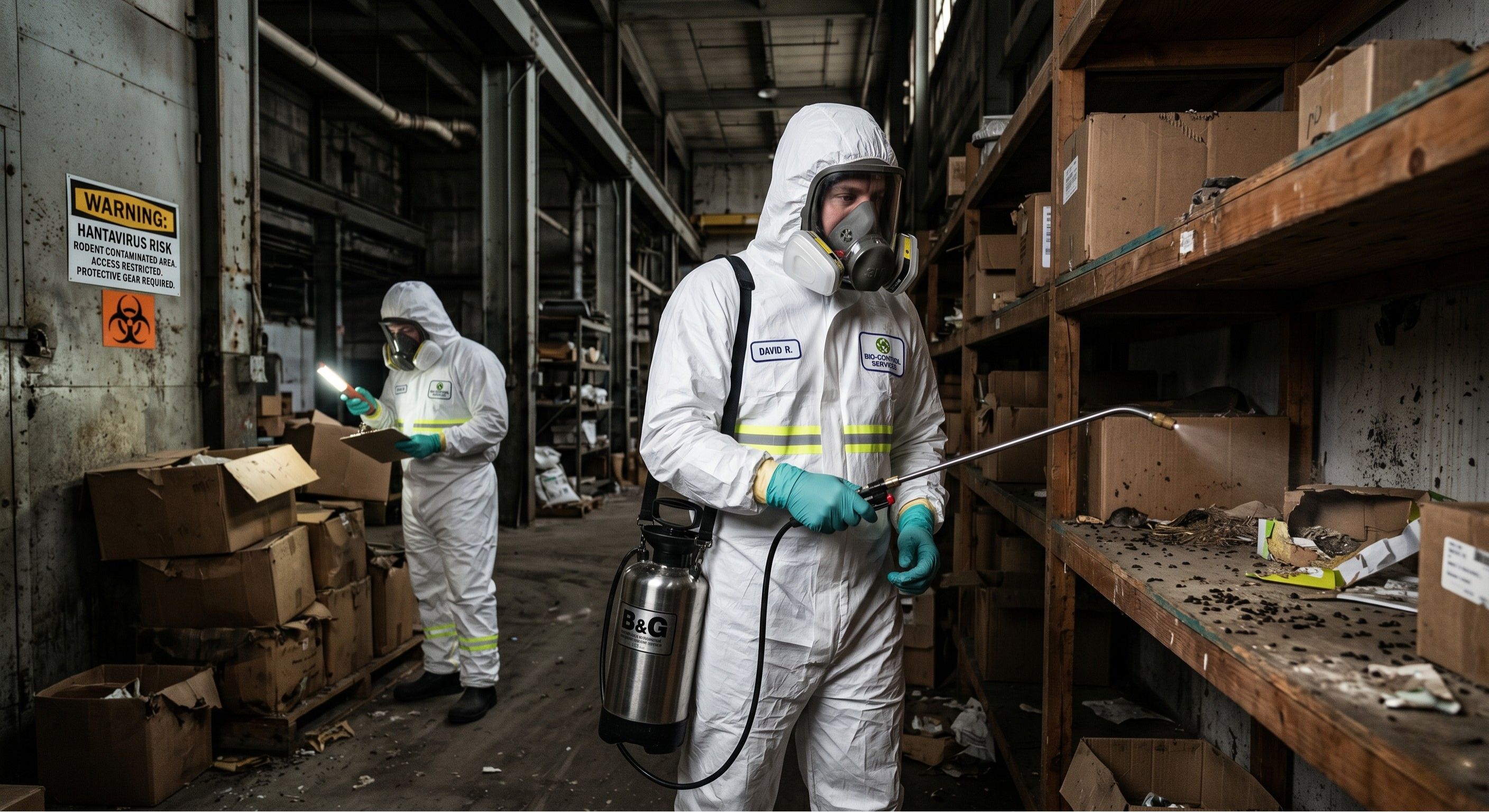
What Is Hantavirus? How Does It Spread? How Can You Protect Yourself?
Hantavirus is a serious viral infection that may spread through environments contaminated with rodent urine, droppings, and saliva. Proper cleaning, professional rodent control, and safe disinfection practices are essential for protection.
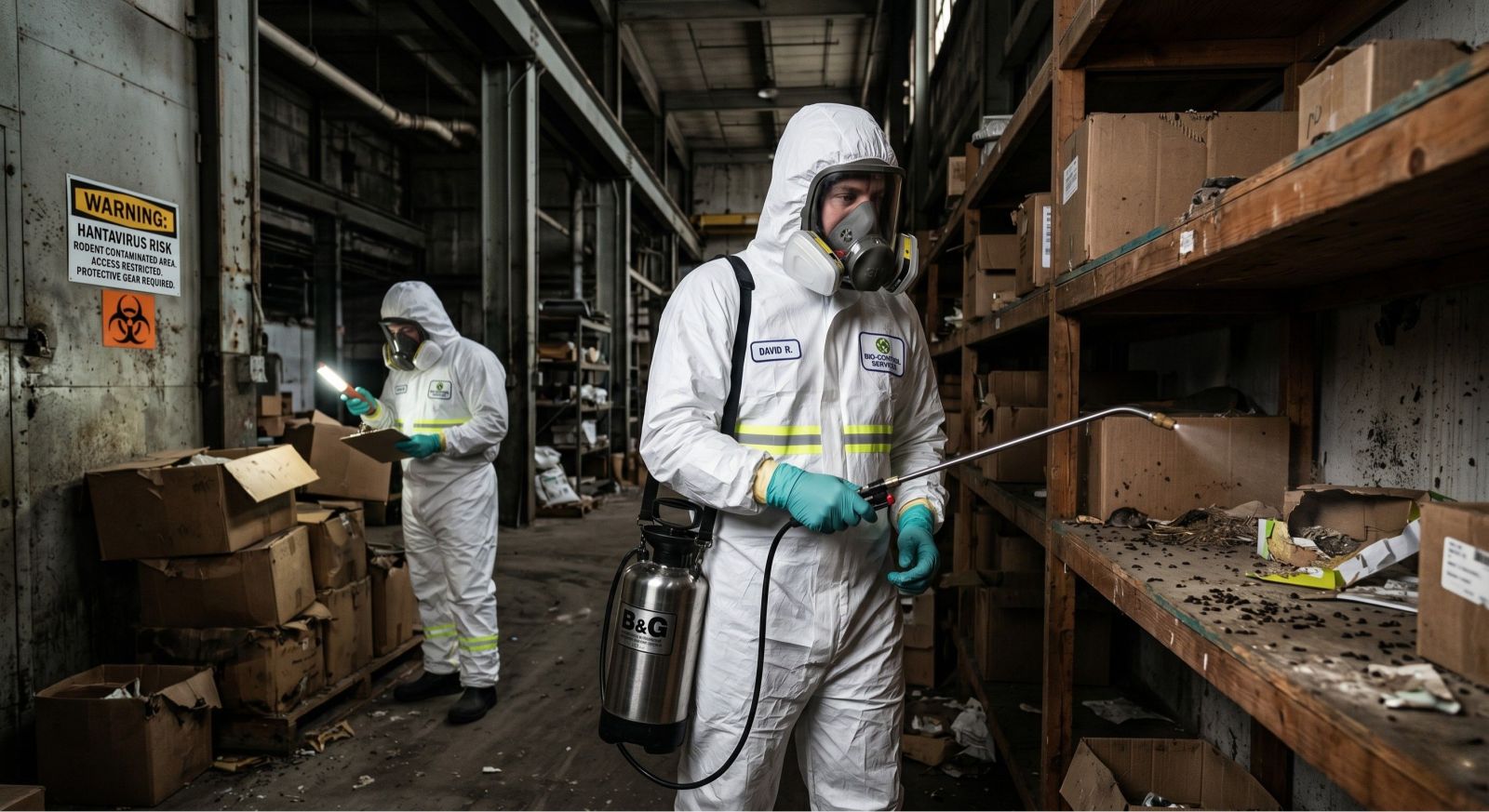
This content is intended for informational purposes only. In case of suspected exposure or symptoms, seek medical attention immediately.
How Does Hantavirus Spread?
Hantavirus is most commonly transmitted through inhalation of airborne particles contaminated with rodent urine, droppings, or saliva. Risk increases especially in closed, poorly ventilated areas with rodent activity.
Contaminated Dust
Rodent droppings and urine may dry and become airborne, increasing infection risk.
Unsafe Cleaning
Vacuuming or dry sweeping can disperse contaminated particles into the air.
Rodent Contact
Food, surfaces, and materials contacted by rodents may pose biological risks.
Preventive Measures Against Hantavirus
1. Rodent Control Must Be Maintained
The most effective protection method is preventing rodents from entering and nesting in buildings. Surface cleaning alone is not sufficient.
- Seal gaps and openings around buildings.
- Insulate door bottom gaps.
- Protect ventilation and drainage points.
- Prevent clutter accumulation in storage areas.
- Do not leave food exposed.
- Keep waste disposal areas clean.
- Apply professional rodent management programs.
2. Rodent Droppings Should Never Be Swept Dry
One of the most common mistakes is cleaning contaminated areas using dry sweeping or vacuum cleaners.
- Using vacuum cleaners
- Dry sweeping
- Using compressed air
- Ventilate the area first.
- Apply disinfectant.
- Use damp cleaning methods.
- Use disposable cleaning materials.
- Wear gloves and masks.
3. Extra Caution Is Needed in Unused Areas
Long-unused buildings such as warehouses, barns, basements, attics, containers, and rural homes may present higher risks.
- Ventilate the area before entering.
- Wait at least 30 minutes after opening windows.
- Use personal protective equipment.
- Disinfect surfaces properly.
- Inspect for rodent activity.
What Should Professional Pest Control Companies Recommend?
Pest control companies should not only perform chemical applications. In biological risk scenarios such as hantavirus, education, awareness, rodent management, and safe disinfection are equally important.
Rodent Risk Analysis
- Identifying entry points
- Dropping and trace inspections
- Activity density analysis
- Monitoring systems and inspections
Professional Rodent Management
- Bait station systems
- Safe rodenticide applications
- Periodic monitoring programs
- Outdoor and environmental management
Disinfection Services
- Surface disinfection
- Warehouse disinfection
- Aerosol risk reduction
- Biological contamination cleaning
Disinfection alone does not completely eliminate hantavirus risks. Active rodent presence remains the primary risk factor. Effective protection requires both rodent management and proper sanitation.
Occupational Safety Measures
Warehouse workers, farm staff, cleaning personnel, municipal teams, pest control technicians, and food storage workers may face increased exposure risks.
What Are the Symptoms of Hantavirus?
Early symptoms may resemble flu-like illnesses. Seek medical attention if symptoms develop after suspected exposure.
- High fever
- Fatigue
- Muscle pain
- Headache
- Nausea
- Shortness of breath
Common Misconceptions
Incorrect. Rodents may enter even modern and clean buildings.
Incorrect. Even a single rodent may create biological risks.
Incomplete approach. Structural prevention, hygiene, monitoring, and professional control should work together.
Conclusion
Hantavirus is a serious public health risk associated with rodents. Protection depends on preventing rodent entry, implementing professional rodent management, using safe cleaning methods, avoiding unsafe cleaning practices, and maintaining regular inspections and disinfection programs.
Get Professional Support
Cleaning alone may not be enough in areas with rodent activity. Risk analysis, rodent management, and disinfection should be planned together.
Request Pest Control & Disinfection Service